
Stop Wasting Budget on Generic Explainer Videos: Try These 7 Cinematic Storytelling Hacks for Government Agencies
Let's be honest: most government explainer videos are about as exciting as watching paint dry on a rainy Tuesday. You know the ones: bland talking heads, generic stock footage, and that robotic voiceover that somehow makes even the most important public services sound like they were scripted by a computer.
But here's the thing: your taxpayers deserve better. And your budget? It doesn't have to suffer for it.
Government agencies across Canada are discovering that cinematic storytelling isn't just for Hollywood blockbusters. It's a game-changer for creating videos that actually connect with people, drive engagement, and: most importantly: don't drain your annual communications budget.
Why Your Current Approach Isn't Working
Generic explainer videos fail because they treat viewers like passive recipients of information rather than human beings with emotions, concerns, and real lives. When you're trying to explain a new municipal service, promote a health initiative, or communicate policy changes, you're not just sharing facts: you're trying to inspire action and build trust.
That's where cinematic storytelling comes in. It transforms your message from "here's what we do" to "here's how this matters to you and your community."
The 7 Cinematic Storytelling Hacks That Actually Work
Hack #1: Master the Art of Intentional B-Roll
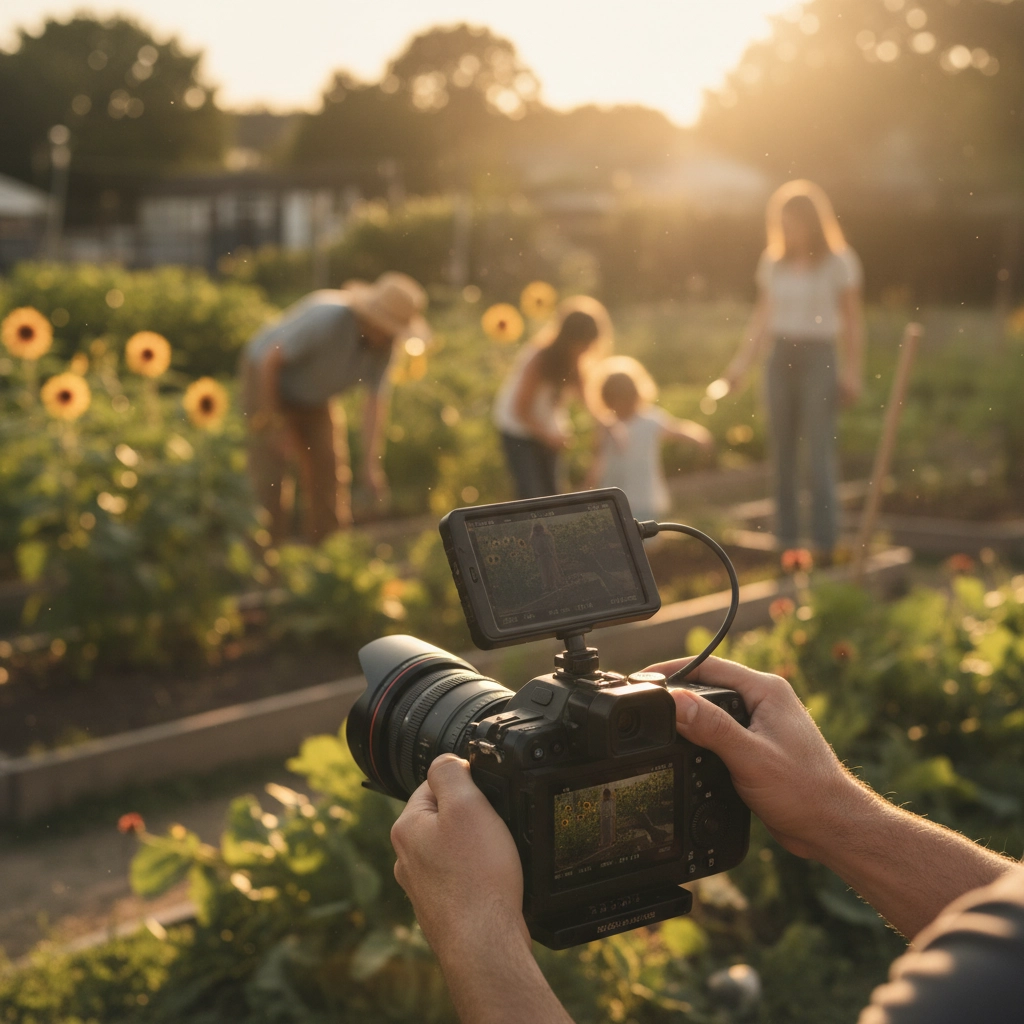
Stop throwing random footage over your narration and start shooting B-roll with purpose. Every shot should support your narrative and move the story forward.
Instead of generic shots of people walking through doors, capture specific moments that illustrate your message. If you're explaining a new healthcare program, show a parent's hands filling out paperwork, a child playing in a newly renovated community center, or the subtle smile of relief when someone receives help.
The key? Plan your B-roll around emotions and outcomes, not just activities.
Hack #2: Harness Time-Lapse and Montage Magic
Time-lapse sequences are budget-friendly gold for government agencies. They can show the transformation of a construction project, the daily flow of a busy municipal office, or the lifecycle of a community program: all in seconds rather than minutes.
Montage sequences work differently but equally well. Link short clips together with voiceover or natural sound to convey complex ideas quickly. Think about showing different community members benefiting from the same program, or various departments working together on a single initiative.
Both techniques compress time and create visual interest without requiring expensive equipment or elaborate setups.
Hack #3: Leverage Free and AI-Powered Tools
Your video production doesn't need a Hollywood budget when you have access to powerful free editing software and AI-generated content. Tools like DaVinci Resolve offer professional-grade color correction and effects at zero cost.
For animations and graphics, AI-powered platforms can generate custom visuals that would typically cost thousands. Need an infographic? Create it with AI. Want smooth transitions between sections? Free editing tools have you covered.
The trick is knowing which tools to use for which purposes: and we've seen government agencies create stunning videos using nothing but free resources and creativity.
Hack #4: Make Interviews Feel Cinematic
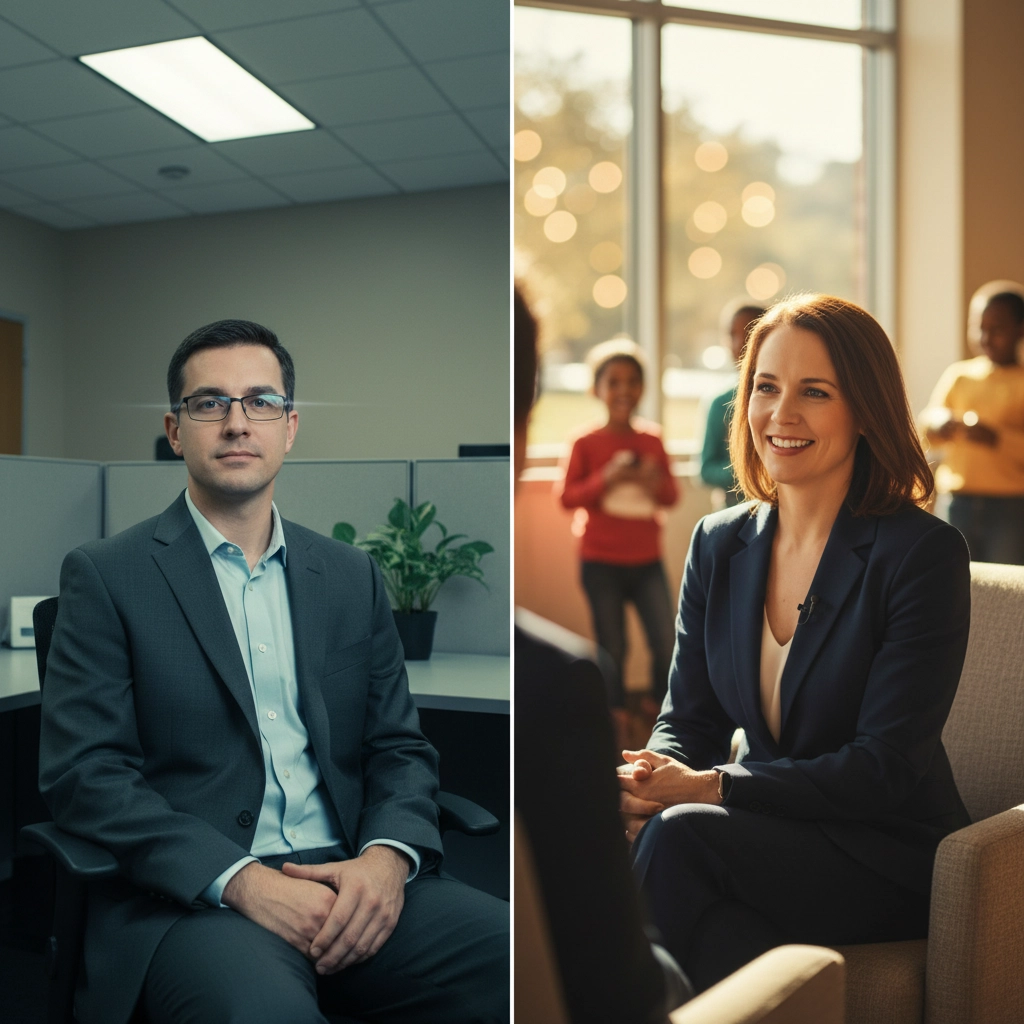
Talking heads don't have to be boring. Transform your interviews by using strategic camera angles, thoughtful lighting, and environmental context that tells part of the story.
Instead of parking your subject in front of a bland conference room wall, position them in their natural work environment. Film the public health officer in a community clinic. Interview the parks director with the new playground in the background. Let the environment become part of the narrative.
Use shallow depth of field to isolate your subject while keeping the background contextually relevant but not distracting. This simple technique immediately elevates the production value.
Hack #5: Repurpose and Remix Existing Content
You probably have more video assets than you realize. That council meeting footage, those ribbon-cutting ceremonies, the community event videos from last year: they're all potential goldmines for new content.
Create new narratives by combining existing footage with fresh interviews or updated information. A single successful community program can be repackaged into multiple videos: one for residents, one for other municipalities, and one for stakeholders and partners.
This approach dramatically reduces production costs while maximizing the value of your previous investments.
Hack #6: Use Strategic Camera Movement
Static shots have their place, but intentional camera movement adds energy and guides viewer attention. You don't need expensive equipment: even subtle handheld movement can create intimacy and engagement.
Try slowly pushing in during emotional moments, pulling back to reveal context, or using simple tracking shots to follow action. The movement should always serve the story, not distract from it.
A smooth pan across community members at a town hall meeting can be more powerful than a static wide shot because it makes viewers feel like they're discovering each person individually.
Hack #7: Integrate Archival Materials for Authenticity
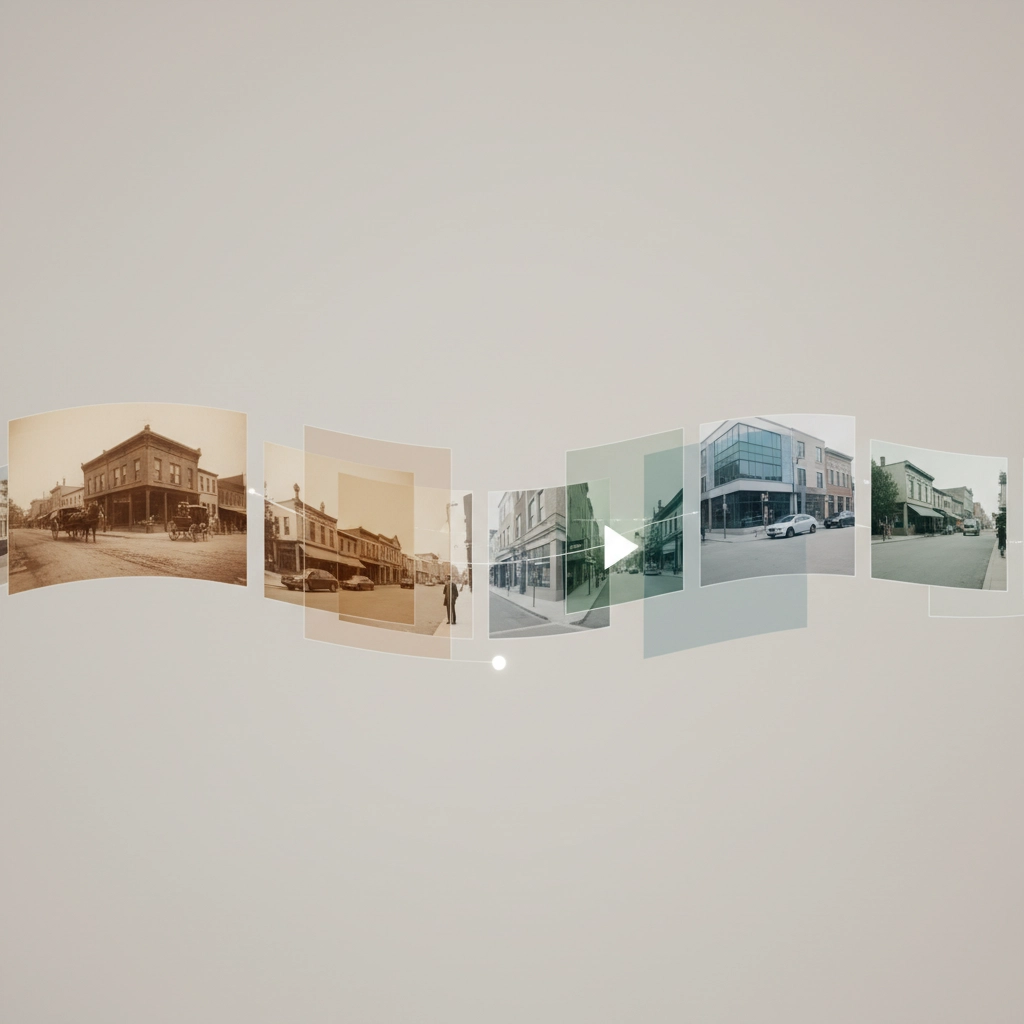
Historical footage, photographs, and documents add credibility and depth to your storytelling. They show the evolution of your community, the impact of past initiatives, or the long-term commitment of your agency.
Archival materials work particularly well in videos about infrastructure projects, anniversary celebrations, or policy explanations. They provide context and demonstrate accountability: showing not just what you plan to do, but what you've already accomplished.
The key is integrating these materials smoothly with contemporary footage, using consistent color grading and thoughtful transitions.
Making It All Work Together
Here's the truth: cinematic storytelling for government agencies isn't about flashy effects or expensive gear. It's about understanding your audience, respecting their intelligence, and crafting narratives that connect with their real experiences.
Start with one or two of these hacks on your next project. Maybe focus on better B-roll and strategic camera movement. Once you see the difference in audience engagement, you'll naturally want to incorporate more techniques.
The agencies we work with often discover that their most effective videos combine several of these approaches. They might use archival footage to establish context, time-lapse to show progress, and intentional interviews to add human connection: all while leveraging free tools to keep costs manageable.
Your Next Steps
Government video production doesn't have to choose between quality and budget. With these cinematic storytelling hacks, you can create content that actually engages your community while staying within your financial constraints.
The question isn't whether you can afford to try these techniques: it's whether you can afford not to. When your videos connect with people, they don't just inform; they inspire action, build trust, and strengthen the relationship between your agency and the community you serve.
Ready to transform your government video strategy? These techniques work, but they work even better when you have experienced partners who understand both cinematic storytelling and the unique needs of government communications. Let's explore how we can help you create videos that actually get watched, shared, and remembered.
