
LED Volume Stages and Drone Cinematography: Are Traditional Video Production Studios Dead?
Remember when everyone thought Netflix would kill movie theaters? Or when streaming was supposed to destroy cable TV? Well, here we go again. This time, the question on everyone's lips is whether fancy LED volume stages and those buzzing drones are about to send traditional video production studios the way of the dodo.
Spoiler alert: They're not. But the story is way more interesting than a simple yes or no answer.
The LED Volume Revolution Is Real (And Pretty Mind-Blowing)
Let's start with LED volume stages because, honestly, they're pretty incredible. If you've watched The Mandalorian and wondered how they got those stunning alien landscapes without spending a fortune on location shoots, you've seen LED volume technology in action.
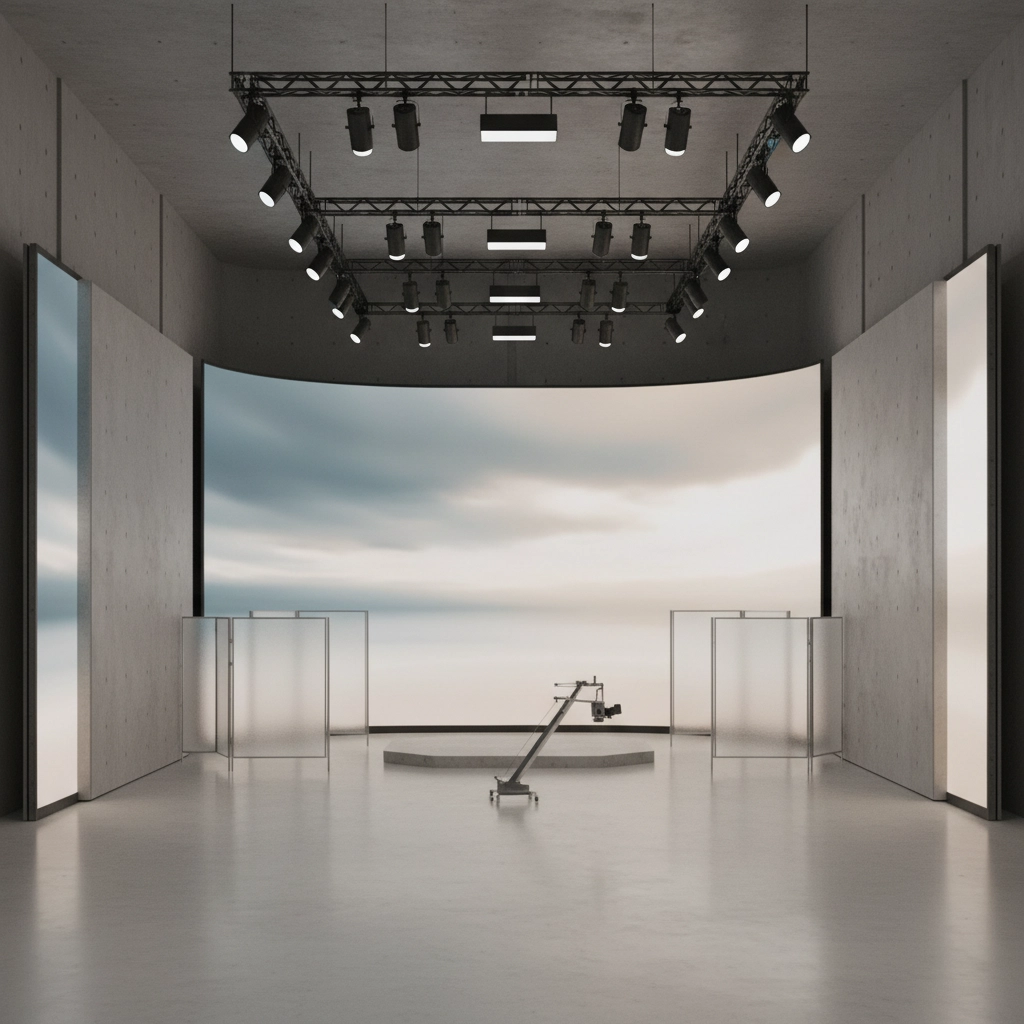
Picture this: massive walls of LED panels, we're talking floor-to-ceiling displays that can show any environment you can imagine. One minute you're filming in a bustling Tokyo street, the next you're on Mars. No green screens, no "we'll fix it in post," just real-time, interactive backdrops that your actors can actually see and react to.
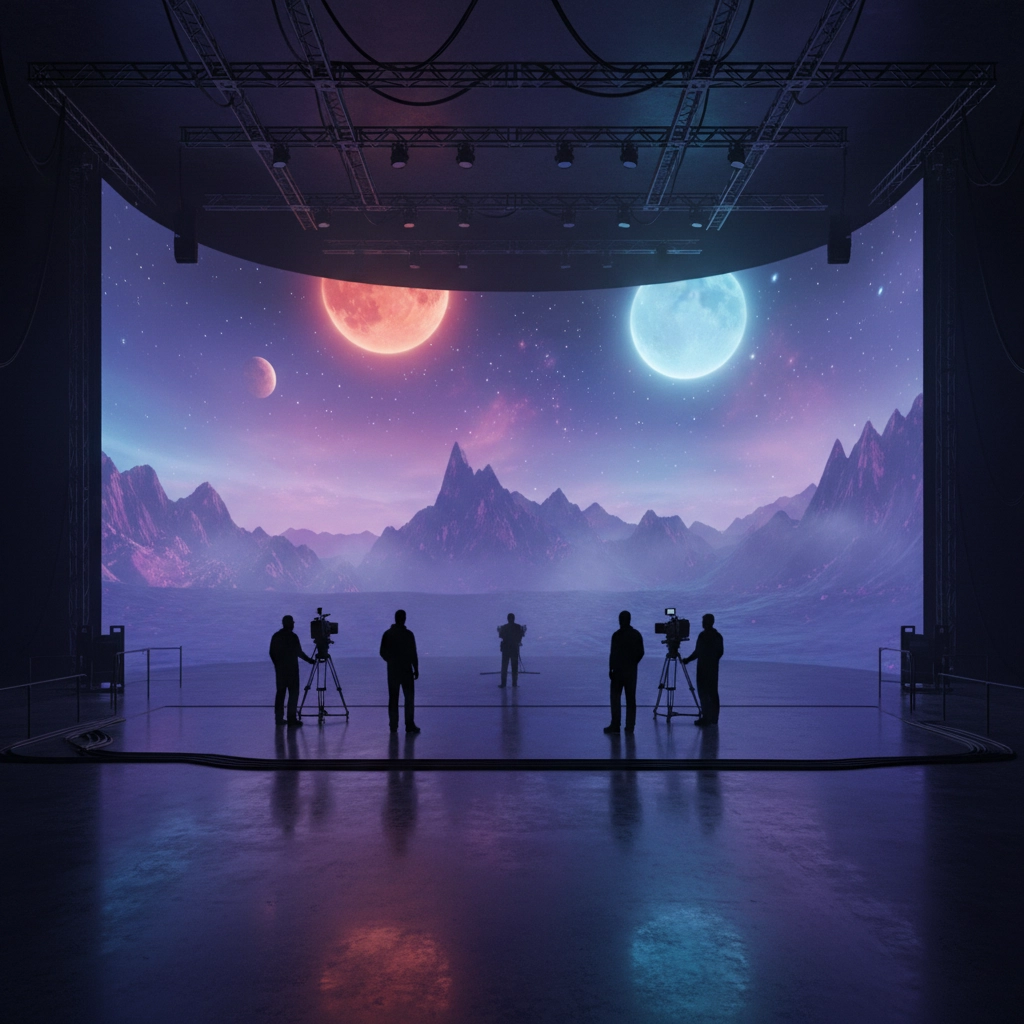
The magic happens because these aren't just big TVs playing a video loop. These systems track camera movement and adjust the perspective in real-time. Move your camera left, and the background shifts accordingly, creating perfect parallax. It's like being inside a video game, except everything you're filming is real.
Why Everyone's Freaking Out About LED Volumes
Here's what's got the industry buzzing: LED volume stages are solving some massive pain points that have plagued video production for decades.
Location Flexibility That's Actually Insane Remember scrambling to find the perfect location, dealing with permits, weather delays, and that one neighbor who decided today was the perfect day to mow their lawn? LED volumes eliminate all of that. You want a sunset? You got it. Need it to rain? No problem. Want to film in downtown New York without actually dealing with downtown New York? Easy.
Real-Time Visual Effects This is where things get really cool. Instead of having your actors pretend to look at a giant monster that exists only in their imagination (and yours), they can actually see it on the LED wall behind them. The lighting from the virtual environment actually lights your subjects naturally, creating realistic interactions between your real and digital elements.
Cost Control That Makes CFOs Happy While the upfront cost of LED volume stages is substantial, the long-term savings can be significant. No more expensive location fees, travel costs for cast and crew, or weather-related delays. Plus, the amount of post-production work gets dramatically reduced when you're capturing realistic lighting and environments in-camera.
Enter the Drones: Aerial Cinematography Gets Democratized
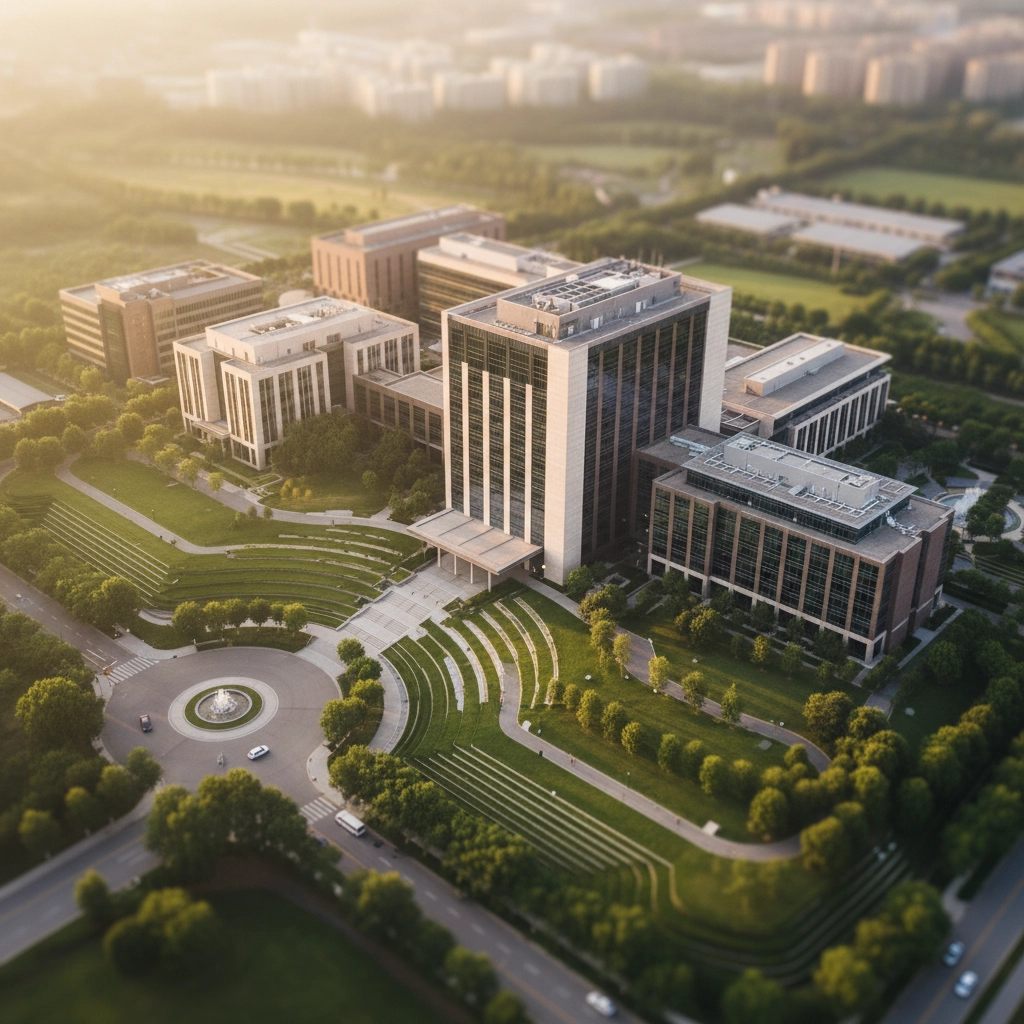
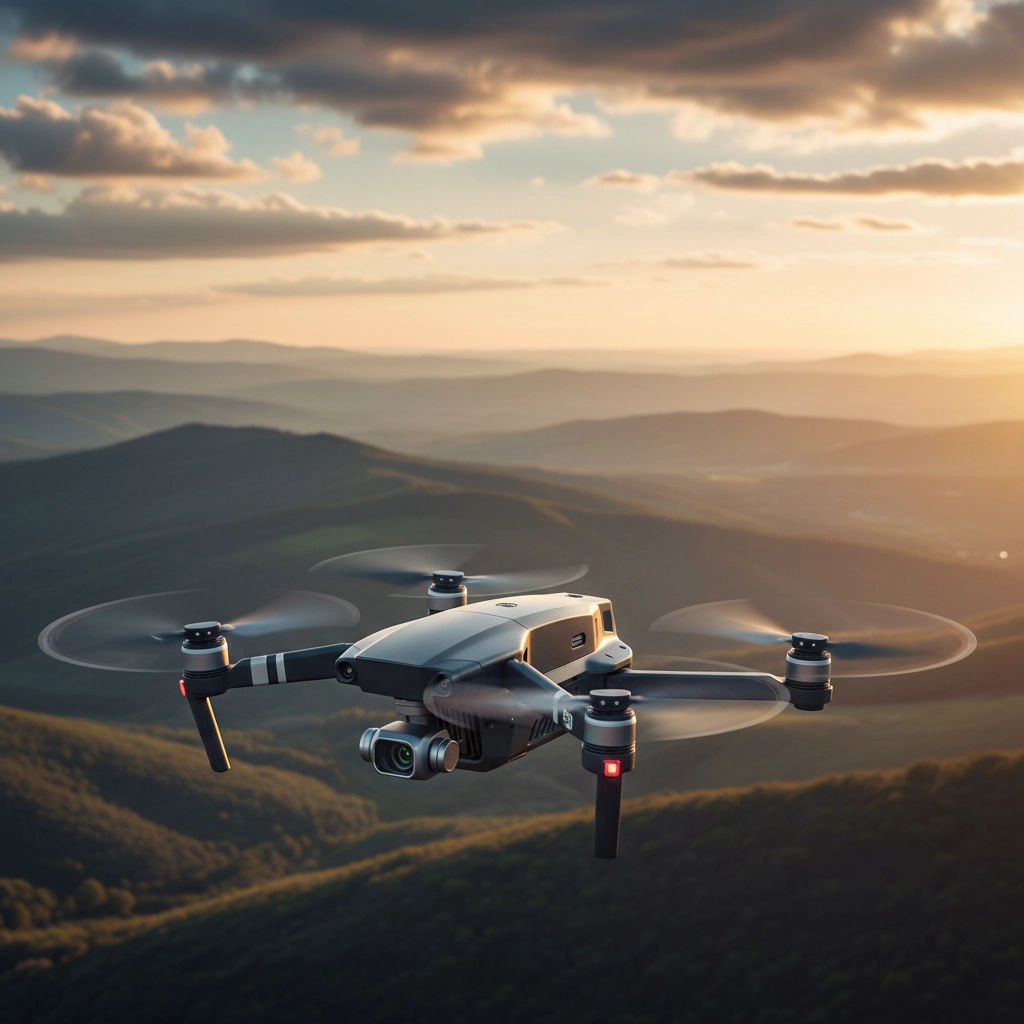
Now let's talk about those buzzing aerial assistants. Drone cinematography has completely transformed how we think about capturing footage from above. What used to require helicopters, cranes, or impossible camera rigs can now be achieved with a device that fits in a backpack.
The Accessibility Game-Changer Ten years ago, getting that sweeping aerial shot of your client's facility would have cost thousands and required serious logistics. Today? A skilled drone operator can capture stunning aerial footage for a fraction of the cost and time. We're talking about shots that were previously reserved for big-budget productions now being accessible to virtually any video project.
Creative Possibilities Explode Drones don't just fly high: they can weave through spaces, follow subjects at ground level, and capture perspectives that would be impossible with traditional equipment. That smooth tracking shot following a runner through a forest? The dramatic reveal of a building by flying up and over nearby structures? These shots have become standard expectations rather than luxury add-ons.
But Here's the Plot Twist: Traditional Studios Aren't Going Anywhere
Despite all this amazing technology, here's what's actually happening in the real world: traditional soundstages are busier than ever.
The Warner Bros Reality Check Want proof? Warner Bros. Studios Leavesden spent over $30 million building an LED stage, used it for about a year, then converted it back into a traditional soundstage. Why? Because demand for conventional studio space was so high they couldn't keep up.
The industry is actually experiencing what experts call "oversaturation" in the LED stage market, while traditional soundstages are seeing increased demand. Productions are realizing that while LED volumes are incredible for specific types of shots and scenarios, they're not the right tool for every job.
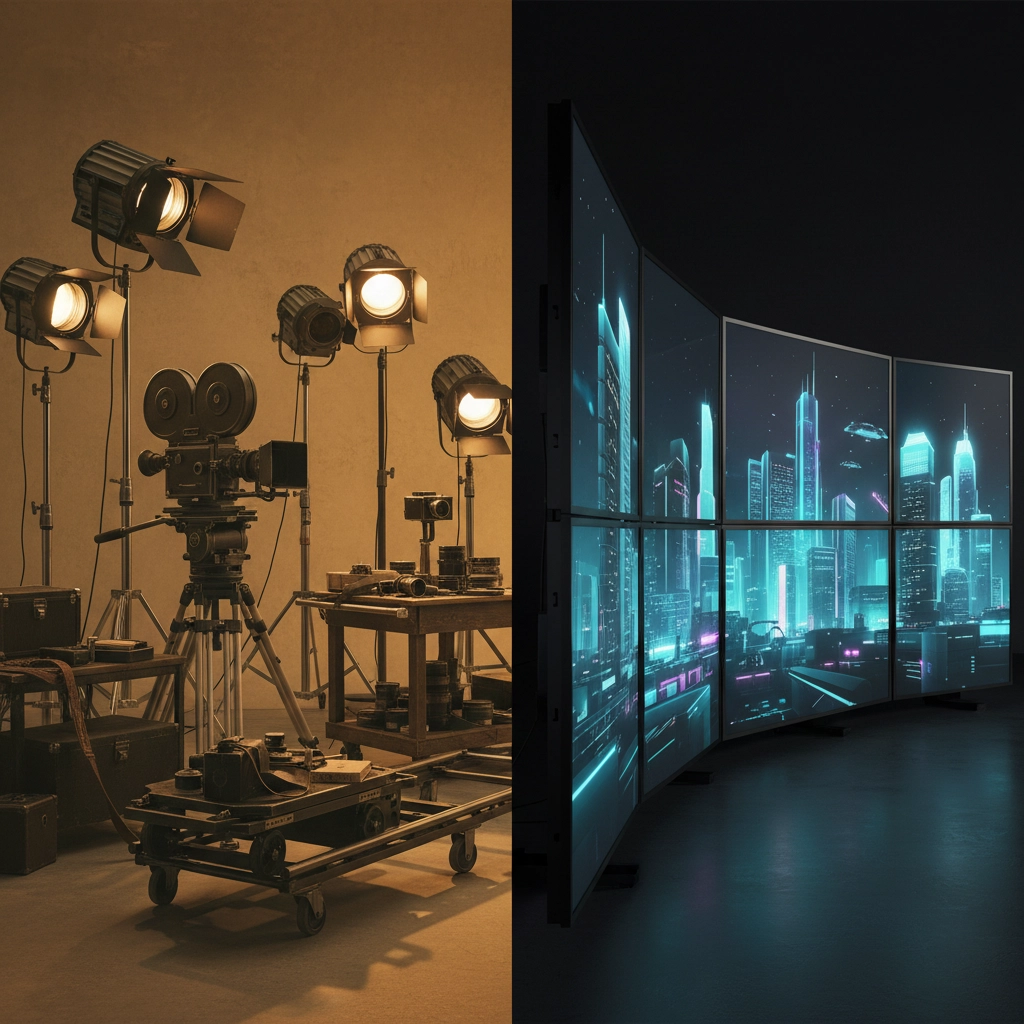
When Traditional Wins Here's the thing about LED volumes: they're fantastic for wide shots and establishing scenes, but they can get tricky when you need intimate close-ups or complex practical effects. Sometimes you need the flexibility of a traditional set where you can move walls, change lighting setups completely, or work with practical elements that just don't play nice with LED technology.
The Hybrid Approach Smart production studios aren't choosing between LED volumes and traditional stages: they're using both. Major studios are building facilities that include traditional soundstages alongside LED volume spaces, recognizing that different projects have different needs.
Where Drone Technology Fits In
Drones aren't replacing traditional cinematography either; they're expanding the toolkit. The best video productions combine drone footage with traditional camera work, LED volumes with practical sets, and digital effects with in-camera techniques.
Regulatory Reality Let's be honest: drone cinematography comes with its own set of challenges. FAA regulations, no-fly zones, weather dependencies, and battery life limitations mean drones are an incredible tool, but not a replacement for traditional filming methods.
The Creative Collaboration The most compelling video content we see today combines multiple technologies seamlessly. A single project might use drone footage for establishing shots, LED volumes for controlled environment scenes, and traditional soundstages for intimate character moments.
What This Means for Your Next Video Project
So, are traditional video production studios dead? Absolutely not. But the landscape has definitely evolved, and that's actually great news for clients.
More Options, Better Value The expansion of technology options means video production companies can choose the right tool for each specific shot or scene. This leads to better creative outcomes and often more cost-effective production approaches.
Faster Turnarounds When LED volumes are the right choice, they can dramatically speed up production timelines. When drones can capture the perfect aerial footage in an afternoon rather than requiring a helicopter crew, projects move faster.
Creative Possibilities Multiply The combination of traditional techniques with new technology is opening up creative possibilities that weren't feasible or affordable just a few years ago.
The Future Is Integration, Not Replacement
The video production industry isn't experiencing a replacement revolution: it's experiencing an integration evolution. Traditional studios remain the backbone of the industry, while LED volumes and drone technology add new capabilities to the creative toolkit.
For clients, this means working with production companies that understand when to use which technology. Sometimes your project needs the controlled environment of a traditional studio. Sometimes LED volumes will give you the impossible shot you're dreaming of. And sometimes a drone will capture that perfect perspective that ties everything together.
The key is working with teams who know the strengths and limitations of each approach and can recommend the right combination for your specific project goals, timeline, and budget.
At North Brothers Films, we're excited about all these technological advances, but we're even more excited about how they expand our ability to tell compelling stories for our clients. Whether your project calls for cutting-edge LED volume work, stunning drone cinematography, or the reliable flexibility of traditional studio production, we've got the expertise to make it happen.
The future of video production isn't about choosing between old and new: it's about knowing when and how to blend them for maximum impact.
